Unraveling the truth behind gambling myths and misconceptions
The Illusion of Control in Gambling
One of the most prevalent myths in the gambling world is the belief that players can control the outcome of games through skill or strategy. Many people think that if they study a game long enough or develop a specific technique, they can manipulate the odds in their favor. However, most casino games, especially slot machines and roulette, are designed with random number generators that ensure outcomes are completely independent of player actions. This misconception often leads to a false sense of security and encourages players to wager more in hopes of achieving a nonexistent control over their luck. In recognizing the importance of responsible gaming, resources such as grandmondialcasinobonuses.com/ provide clear guidance for players.
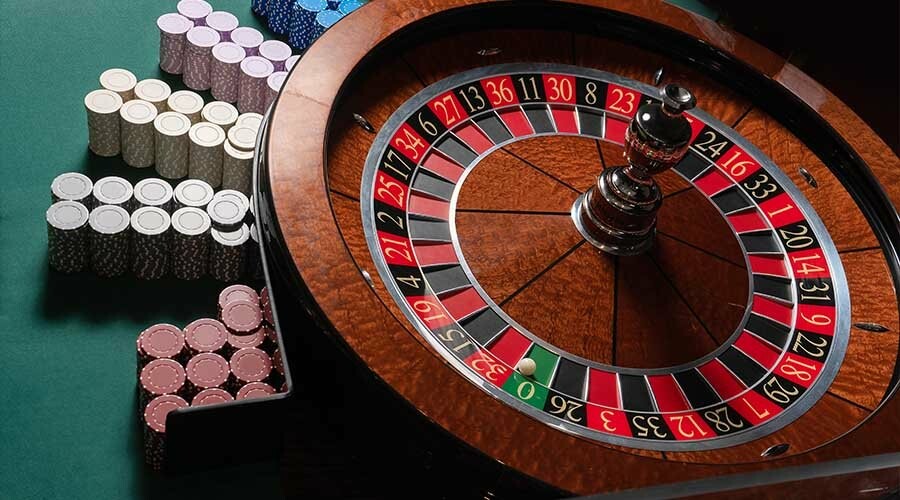
Moreover, players often fall into the trap of the “gambler’s fallacy,” believing that past events will influence future results. For example, if a specific number hasn’t appeared on a roulette wheel for a while, a player may feel it is “due” to hit. In reality, each spin is independent, and the odds remain constant. This myth not only misguides players but can also lead to significant losses as they chase after what they believe is a winning strategy. Understanding that the house edge is always present is crucial for responsible gambling.
Additionally, the allure of skill-based games, like poker, can further complicate perceptions. While skill certainly plays a role in poker, the inherent randomness of card dealing means that even the best players can experience streaks of bad luck. This unpredictability reinforces the idea that gambling outcomes are beyond control, which contrasts sharply with the belief that one can master the games through practice. Thus, the myth of control may lead to both overconfidence and detrimental financial decisions for players.
Chasing Losses: The Downward Spiral
Another common misconception among gamblers is the belief that they can recover their losses by simply increasing their bets. This practice, often referred to as “chasing losses,” is a dangerous mindset that can lead to spiraling debt and addiction. Players may convince themselves that a big win is just around the corner, leading them to wager more than they can afford in hopes of a miraculous comeback. Unfortunately, this mindset rarely yields positive results and often results in even greater financial strain.
The psychological aspect of chasing losses stems from the emotional highs and lows that gambling can invoke. The thrill of winning can create an adrenaline rush that masks the reality of losses. As players chase after that initial high, they may lose sight of their budget and the long-term implications of their gambling habits. It’s essential to recognize that this behavior can pave the way toward problem gambling, which affects countless individuals and families.
Breaking the cycle of chasing losses requires a fundamental shift in mindset. Establishing a budget, setting limits, and adhering to a gambling strategy that focuses on entertainment rather than financial gain are essential steps. Recognizing that losses are part of the game can help players maintain a healthier relationship with gambling, steering clear of the dangerous myth that recovering losses is simply a matter of increased betting.
The Myth of Lucky Numbers and Rituals
Many gamblers believe in the power of lucky numbers or personal rituals to enhance their chances of winning. Whether it’s wearing a specific outfit, carrying a charm, or choosing certain numbers that hold personal significance, these practices stem from the desire to impose some form of control over an inherently unpredictable activity. While these rituals can be fun and may provide emotional comfort, they do not statistically influence game outcomes in any way.
The need for lucky numbers can often lead to a false sense of confidence, blinding players to the mathematical realities of the games. For instance, someone who believes that their birthday is a “lucky” number may repeatedly choose it in a lottery or on a roulette wheel. However, the chances of winning remain unchanged regardless of personal beliefs or rituals. Education about the actual odds and probabilities can help demystify this belief, empowering players to make more informed choices rather than relying on superstition.
While it’s perfectly natural to want to feel connected to the game through personal beliefs, understanding the randomness of gambling helps mitigate the potential disappointment when these superstitions do not yield the expected results. Embracing the game purely for its entertainment value rather than as a means to wealth can lead to a more enjoyable experience, free from the pressures created by these myths. It’s essential for players to recognize that luck is random and not a product of individual actions.
The Misconception of Gambling as a Quick Wealth Scheme
The idea that gambling can be a surefire way to become wealthy is one of the most dangerous myths perpetuated in popular culture. Movies and stories often depict characters who strike it rich overnight, creating unrealistic expectations about gambling as a viable financial strategy. In reality, most gamblers do not come away with life-changing amounts of money. The odds are overwhelmingly stacked in favor of the house, making it crucial to view gambling as a form of entertainment rather than a means of income.
This misconception can lead individuals to gamble irresponsibly, believing that each wager is an investment rather than a game. As players chase the fantasy of quick wealth, they may neglect to consider the inherent risks involved. Understanding that the majority of gamblers lose over time can foster a more realistic outlook, one that emphasizes playing for enjoyment rather than financial gain. This mindset is essential for maintaining control and ensuring that gambling remains a fun pastime.
Furthermore, recognizing the impact of gambling advertising and media portrayals can help dismantle this myth. The glamorization of gambling in films and television creates an environment where players may feel pressured to engage in high-stakes gambling to achieve similar success. Critical thinking and media literacy are vital tools that can help individuals discern fact from fiction, steering them away from dangerous expectations and towards a more balanced understanding of gambling’s nature.

Grand Mondial Casino: A Transparent Gaming Experience
At Grand Mondial Casino, players are presented with an extensive array of games and bonuses that are designed to enhance the gaming experience. The platform is committed to providing a transparent and user-friendly environment, addressing many of the myths and misconceptions that can cloud the understanding of online gambling. By offering clear guidelines on bonus structures, wagering requirements, and responsible gaming practices, Grand Mondial Casino aims to educate players while they enjoy their favorite games.
The casino’s extensive selection of promotional offers, such as welcome bonuses, free spins, and cashback deals, is designed to attract both new and experienced players. However, the site also emphasizes the importance of understanding the rules and terms associated with these promotions. This focus on transparency ensures that players can make informed decisions, aligning with the ethos of responsible gaming. Players are encouraged to engage with the content, increasing their understanding of both the opportunities and risks involved.
In conclusion, Grand Mondial Casino stands out as a reputable platform that champions player education and responsible gaming. By recognizing and addressing common gambling myths, the casino creates a more informed gaming community. Players can approach their gaming experiences with a clearer understanding of what to expect, enhancing their enjoyment while promoting responsible habits that ensure a sustainable and enjoyable gambling experience.